
Quick Summary
Student safety depends on how K–12 schools respond when a student, family member, or staff member raises a concern about harassment, intimidation, or bullying (HIB). A student may need support right away, while the school team gathers information and determines what happened.
This article looks at how schools can recognize early concerns, make it easier to ask for help, and keep families informed. It also explains how a shared record helps staff carry the response forward from the first report through investigation and follow-up.
What the Latest Student Data Shows
| Experience reported in the 2025 survey | Female students | Male students |
|---|---|---|
| Bullied on school property | 22% | 17% |
| Bullied electronically | 18% | 12% |
District leaders can use student surveys and case records to answer different questions.
- A survey asks students what they experienced.
- A case record shows what reached the school and how staff responded.
Looking at both can help a district decide what to ask in its next school climate survey and where to review its own response process.
Where Students Turn for Help
Schools can make that first step easier by listing one clear contact in the family handbook and on the school website and explaining what information is helpful to share. A family can describe what their child told them in their own words, even when they’re unsure which school policy applies.
Supporting Students at the First Sign of Concern
When a student says they dread a group activity because of repeated comments from classmates, a trusted adult can ask what would make the next class feel manageable. The student and teacher might agree on where the student will sit or how they can quietly ask for help while the school learns more.
A student chronology gives staff a way to review what has changed over time. A dated entry might record the student’s account and the classroom adjustment they agreed to. A later entry might note that the student felt more comfortable in class but still heard comments during passing time. The two entries give the counselor something specific to discuss with the student at the next check-in.
Five Everyday Practices That Help Students Feel Safe
- Make belonging part of classroom routines. Rotate group roles so each student has a way to contribute, including students who tend to be overlooked when classmates pick teams.
Teach students what to say when a peer is singled out. Practice a few responses students can use comfortably, from inviting a classmate into an activity to asking an adult for help. Staff can model the same respectful language when disagreements come up.
Offer a private way to speak up. A student who is uncomfortable raising a concern in front of peers can ask to talk after class or use the school’s written reporting option.
Notice changes in participation. If a student stops attending a club they used to enjoy, the advisor can ask what changed. An open question gives the student room to explain the change in their own terms.
Bring together what staff see in different settings. A teacher may hear a nickname in class while a lunch supervisor hears it used by a different group. Sharing those observations through the school’s designated process gives the team more context for deciding how to respond.
What Families Need After Sharing a Concern
Once a concern reaches the school, the first update should tell the family what they can expect next.
- What has started? Confirm receipt and explain the next step in plain language.
- What support is available now? Describe any immediate arrangements for their child and how the student can ask for help during the school day.
- When will the school be in touch? Give the family a point of contact and an expected update date, even if the review may still be underway.
How Technology Supports the School’s Response
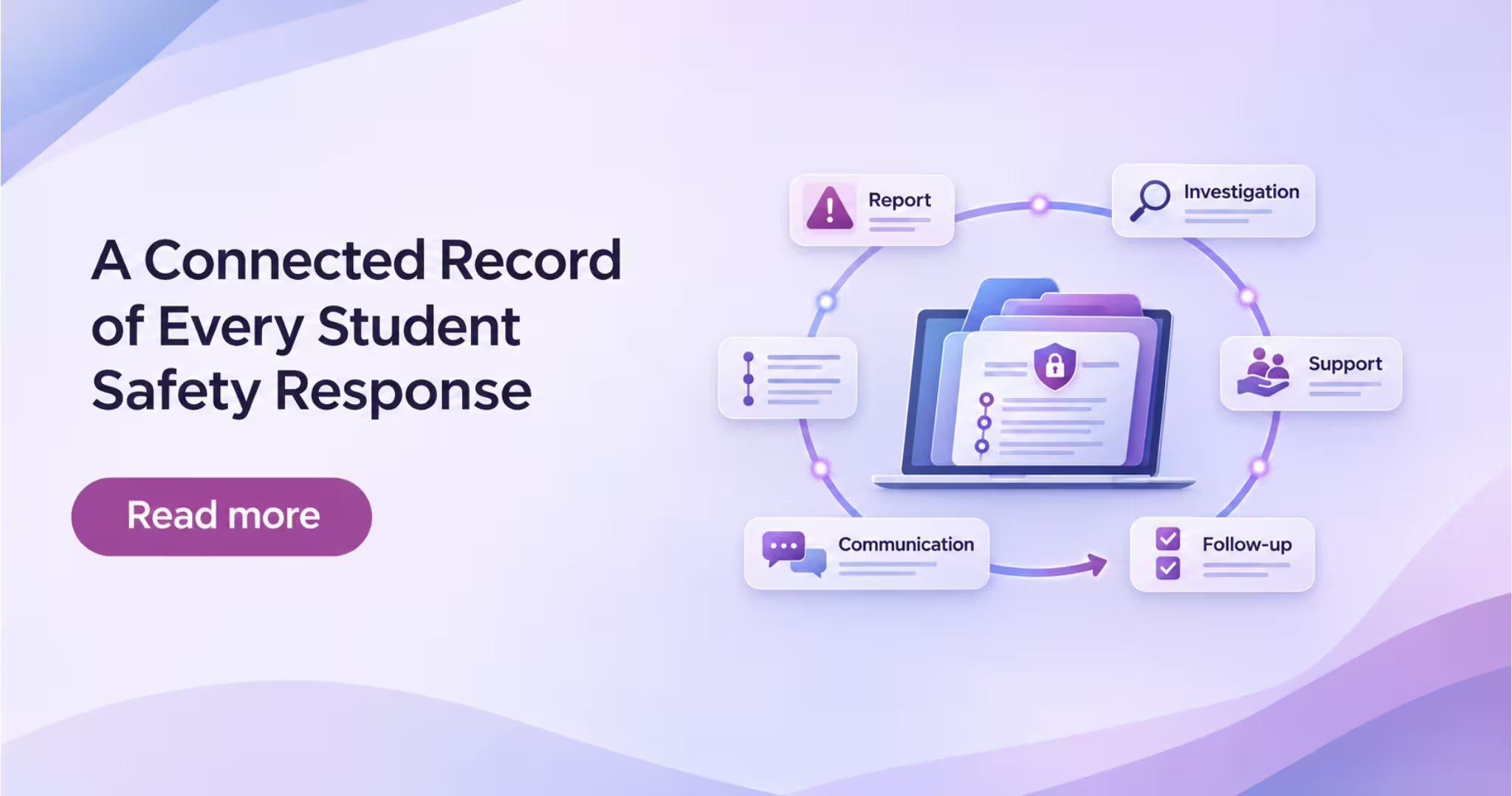
A concern can reach several staff members before it becomes clear who is responsible for the response. At that point, a shared record should answer three questions. What has been reported? What has the school done so far? Who owns the next step?
For formal HIB reports, the work shifts to investigation steps, deadlines, and outcomes. District leaders can use dashboards to review patterns across campuses and decide where to look more closely.
When an administrator takes over a formal HIB case, they can use HIBRES360 to review the original report, see which investigation steps are complete, and check what’s due next. Districts can configure the workflow around their policies and applicable state requirements. Leaders can also review trends across campuses to see where a closer look may be warranted.
FAQs
What does HIB stand for in K–12 schools?
HIB stands for harassment, intimidation, and bullying. Schools use the term in policies that explain how students, families, and staff can report a concern and how the district reviews and responds to it.
How can a parent report a student safety concern to a school?
Use the school’s designated reporting form or contact listed on its website or in the family handbook. Share what happened, when and where it occurred, and any immediate support your child needs. Ask whom to contact if you have more information or need an update.
How can schools support a student while reviewing a HIB report?
Schools can arrange a private check-in with a trusted adult, agree on how the student can ask for help during the day, and set a time to follow up. Staff can adjust support based on what the student says is helping while the review continues.
What should a school document in a HIB case record?
A HIB case record should include the original report, dated observations and evidence, investigation steps, the outcome, and any follow-up actions. Identify who provided each account and who is responsible for the next action so another staff member can pick up the case.
How does school safety software support HIB reporting?
School safety software can keep HIB reports, investigation steps, deadlines, and follow-up in one record. Authorized staff can see what has been completed and what is due next. District leaders can also review patterns across schools to identify where additional support may be needed.